
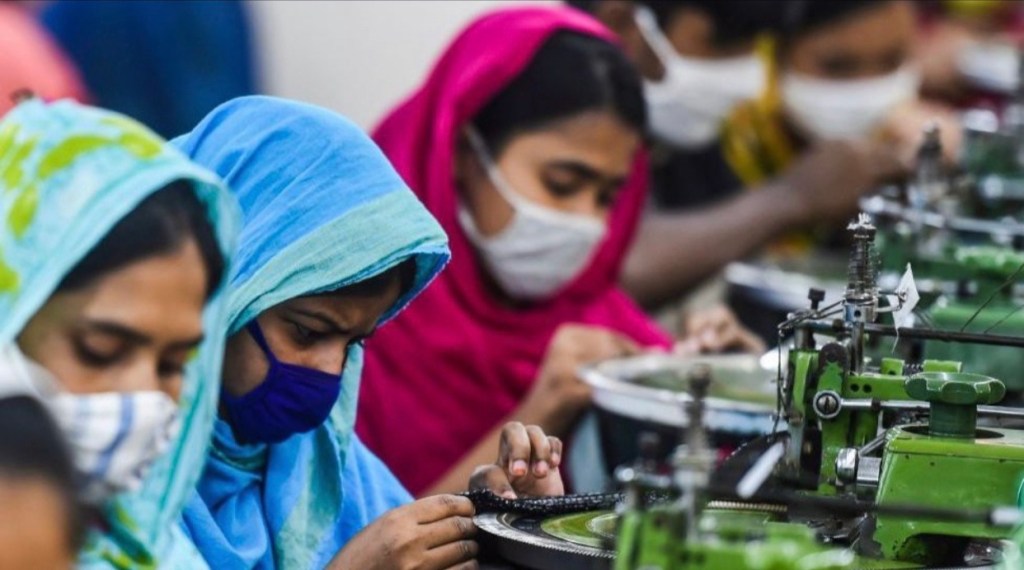
Some will argue that the Fast Fashion Industry gives affordable garments that are trendy and kind too our bank balances as well as overdrafts but the flip side reveals an unpleasant ever lasting problem to our planet.
Each year the fast fashion brands behave badly and are completely detached, if not oblivious from the destruction and damage they are causing to the earth. There is 1.2 billion tonnes of carbon unapologetically spilled into the atmosphere from this industry every year. This equals more than the thousands of flights and shipping conducted across the global {frightening ~>outrageous} annually, according to the International Energy Agency.
Let’s “breakdown” the dirt in the business
• Cotton garments: dresses, shirts and sweats online or even from an infamous high street chain at a great price for instance £29.99, is truly a mortal threat for the cotton uses fertilisers that trickle into groundwater resulting in the creation of dead zones in lakes and the rivers, harming marine life making it impossible of survival.
• Polyester garments: dresses, tops, and those “lucifer~leggings” at £4.99 sometimes cheaper, are truly leading in the blame game of unnecessary abuse to the earth. Polyester the fabric that is non-renewable and produces 98 million tonnes of resources with zero capacity to be reused {scary but so true}.
• Production: takes the trophy and dyes are even more dangerous when “cotton farming” sucks out 93 billion cubic metres of water every year. Let’s visual this now: 37 million swimming pools Olympic size is what I am saying mathematically covers the amount of water being used too produce the fast fashion industry’s parches for cheap garments.
My throat is dry now after typing this —> seriously are we that thirsty for cheap clothes?
Is there a solution 📣
Progress reporting:
Some are making efforts…. so let’s not take that away from the high street chains who are implementing and introducing systems and processes to create the chain~of~change. After all resolving this major ongoing battle in an established billion dollar industry will not evolve over night. There are levels of players in the fashion industry: Luxury brands shall not be excluded or blindsided because they have more disposable income and weight than fast fashion brands. For instance Stella McCartney, take a bow {applause} she holds the top award for me right now, and we have witnessed the likes of Balmain, and Louis Vuitton throwing shapes in their awareness {salute}.
Waste is at the top of this pyramid and high street chains like the H&M, Zara, and even Primark, have this problem which needs addressing not another dress added. And let’s not forget the absolute leaders of the pack being the social media Instagram gladiators of fast fashion the likes of Pretty Little Thing, FashionNova and so many more that keep lighting up our Instagram feeds.
Pleased to bare a flashpoint of good news: There has been movement at H&M and Zara who are offering customers buy~backs and recycling programmes on used garments {starting clapping then realised that it is out of context} which slices a fraction off the annual disposed amounts.
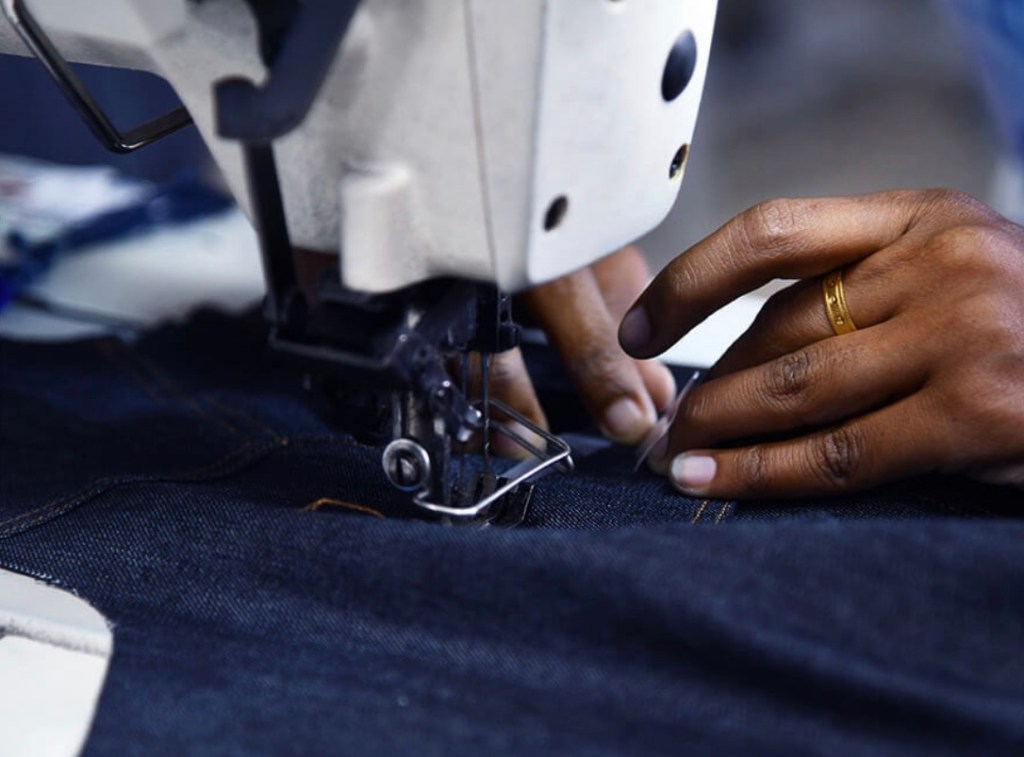
Photo Shouts: Getty Images & Reuters
Mentions: https://www.stellamccartney.com/gb https://www. https://uk.louisvuitton.com/eng-gb https://www.balmain.com/gb www.zara.com www.fashionnova.com www.m2.hm.com www.plt.com

 Fashion Brands Behaviour